|
Abby Fosco  Yulia Naumenko / Getty Images With the new school year swiftly approaching, parents and students will still be facing unique ways of learning due to the COVID-19 pandemic. Depending on your school district, both hybrid and 100% virtual learning have been presented as the new normal for the 2020/2021 school year. No one can tell you what is right for your family. If in-person options are available in your school district, masks will be mandatory and social distancing will be implemented. Virtual learning won’t be new territory for parents and students, since schools switched to virtual learning in the spring of 2020 to finish out the 2019/2020 school year. However, if your children have the option to go back to school in person, social distancing protocols will be new territory. Either way, approaching a new school season when we’re still amidst a pandemic can induce stress and unease for many. With all of this in mind, our clinicians here at Mindful and Multicultural Counseling in Ewing, NJ developed tips and strategies for parents as their children begin their back to school journeys: Nathalie Edmond PsyD, RYT-500 | Founder and Director of MMC
Kristine Aguilar, MSW, LCSW
Taryn Chase, MA, LPC, LCADC, NCC
Lina Lewis-Arevalo MA, NCC, LPC, LCADC
Nadira Keaton, MS, LPC, LCADC, ACS, NCC
Marissa Mangual MS, LPC, NCC
Shashi Khanna, MSW, LCSW
Below is a video created by Dr. Nathalie Edmond for a local high school which addresses unique stressors we are experiencing as more discussions unfold about the Black Lives Matter movement and uncertainty persists around COVID-19. Tips for how we can reduce our vulnerability to stress are suggested. Perhaps you and your child can watch it together to come up with a self-care plan. If you need additional support throughout the year we are here for you. Learn more about our team here at Mindful and Multicultural Counseling in Ewing, NJ. Other resources to support you:
8/17/2020 Lean into the places that scare youEmily Suzuki, MA 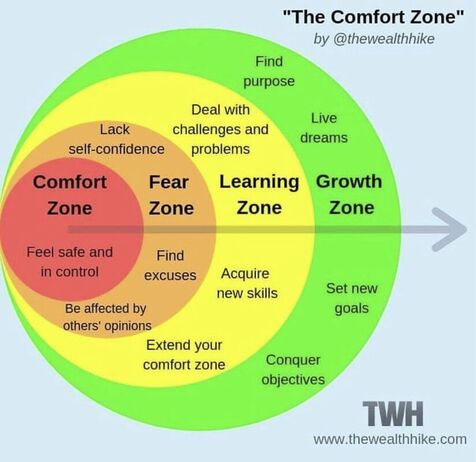 Fear is a familiar presence in therapy. Therapy is an invitation to explore our growing edges, the places that feel uncomfortable and scary. Often, that’s where our work begins and where we find the greatest growth. Exploring fear is in the very DNA of the therapeutic relationship. Fear comes up often in therapy, and is present even before we seek out and take what we sometimes perceive as a risk, in asking for support. When we begin working with a therapist, someone who is initially a complete stranger, we may at first be guarded and protective of opening up and being vulnerable. Naturally, a dose of fear shows up to help us assess whether or not the person and relationship is safe and can be trusted. As we build a relationship of trust, in which the therapist offers the reassurance that their support is rooted in compassion, non-judgement, deep and active listening, clients begin to feel safer. Within the net of safety and trust, client and therapist can begin to explore the layers of fear that may be showing up, both in the therapeutic relationship and in the client’s life. Fear is an essential survival response to physical and emotional danger. When we experience a threat, our brains are wired to act in self-protection. This process has served us as far back as our ancestors, who had to navigate much greater physical threats. Their survival level instincts turned on in the face of serious danger without so much of a thought, and their survival supported the evolution that led to our being. Check out video about our triune brain by Dr. Nathalie Edmond at the end. In our modern world, we may not be dodging tigers or samurais like our ancestors, but none the less, there is plenty of ways to feel unsafe in our society. While fear is a universal human emotion, each individual’s experience of it and relationship with it varies greatly. The intersections of one’s social location, identification with race, class, gender, sexual orientation, and ability, shapes our experience and threat to one’s safety. For those whose identities intersect marginalized groups, fear is a lived experience in a wholly different way than it is for those in the dominant groups. The insidiousness of systemic racism and white supremacy, is a system of power that is rooted in fear, in which police brutality is an everyday danger to those who are BIPOC (black, indigenous and people of color) and oppressed, and as a result creates and breeds more fear. Fear shows up in so many ways, and can be a response to even small or imagined threats. Our nervous system kicks in with a fight-flight-or freeze response, always in service of our protection. However, this process can become so sensitive that it can be activated in moments when it’s not helpful to run, fight or freeze, and when turning towards and engaging whatever feels scary is more purposeful. This is a place where we can develop a deeper understanding of our fear. Turning our attention inward and towards the fear, we can start to ask questions, and learn more about it. What is it truly afraid of? When is it showing up and getting in the way? How is it perpetuating old patterns and habits of not engaging with ourselves and others? In what ways might it be creating more pain and suffering? When we feel safely held within a therapeutic relationship, one that is built on trust and safety, we can begin the process of inviting our fear into the room with us. Through noticing and gaining greater awareness of our fear (mindfulness), we can then practice disrupting the moments when fear attempts to turn us away from the work we need to do and instead, learn when it’s okay to trust, and bravely, lean into it. Learn more about the therapists at Mindful and Multicultural Counseling can help you transform your fear. Read more about us here. Give us a call to begin the healing journey. |
Mindful and Multicultural Counseling Clinical TeamTherapists and psychologists committed to improving well being and mindful living. Archives
August 2023
CategoriesAll Addiction Anxiety Back To School Coronavirus Depression Eating Disorder Fear Meditation Mental Health Mindfulness Radical Acceptance Tapping Teenagers Therapy Transitions Yoga |
 RSS Feed