|
by Taryn Chase, LPC, LCADC 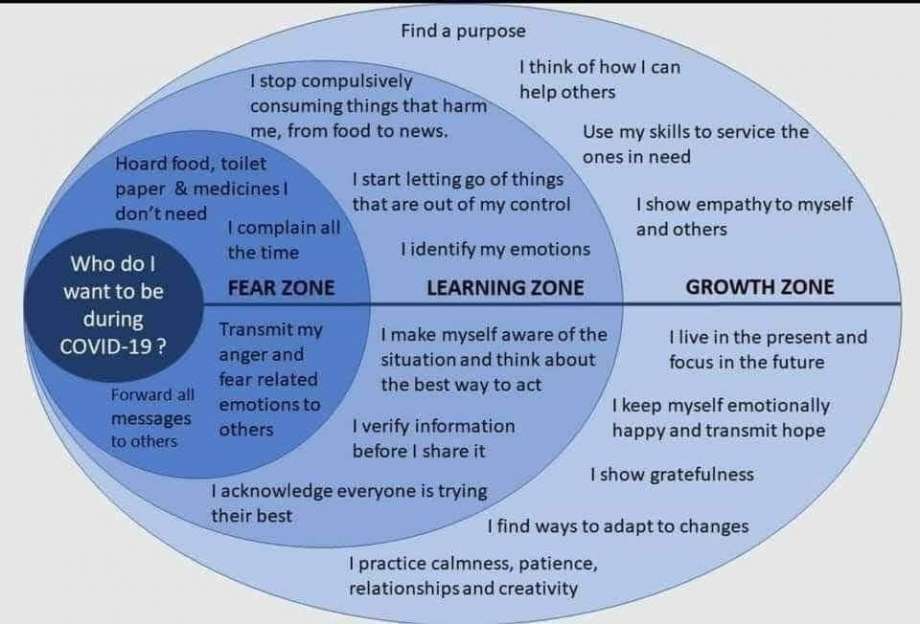  Shelter in Place Day 84... 2016 hours. That’s how long it has been since the state shut down all “non essential” business in the state of New jersey. Since March 21st, we have been confined to our homes and only allowed to access essential business such as the grocery store and the liquor store. Even now as I write this, we can only access these places while masked and keeping a distance between us. When you struggle with using alcohol or other substances, this takes on a whole new meaning. I have been working with people who have experienced negative consequences from their use for going on 8 years and one of the first things we talk about is building a sober support network and changing their peoples, places and things that they surround themselves with. When this first began, I recall people hoarding and bulk shopping for items such as hand sanitizer, toilet paper, and alcohol. Since mid-march we have been bombarded with social media posts and TV ads encouraging “wake and bake”, “its 5’oclock somewhere”, “breakfast beer”, “day drinking” and other messages normalizing behaviors that for many would only be considered acceptable while on vacation and having no responsibilities. While there are many of us working from home for the last 2 months, we often find ourselves with extra time on our hands and feeling like we can be less formal and strict about certain boundaries. Nothing could be further from the truth. Now more than ever we need to focus more on setting boundaries for ourselves and maintaining that separation form home and work. We no longer have the luxury of being able to go and connect with our support network as before. While we live in a digital age of connectivity and being able to talk with people halfway around the world, we struggle to connect with those who are close to us and feel more alone than ever. When struggling with problematic substance related behaviors, this is a barrier to getting help and getting clean. For so many the in person meetings with sponsors and weekly/daily meetings were their only supports and helped them to feel a sense of belonging and allowed for greater accountability. Despite this need for physical distancing, we can create meaningful connections and networks for support over the internet. Most if not all the local mutual support and self help meetings have moved their meetings online and, from those who have gone to them, they have been a great way to ensure that they stay connected in their journey and recovery until they are able to meet in person again for that fellowship. Therapy is a great tool in conjunction with meetings to help get perspective regarding the underlying events and feelings that impact and influence our use. It can be hard to talk about these feelings because of the guilt and shame and stigma that is associated with addiction and problematic use. When we are not used to talking about feelings or mental health it can feel foreign to reach out for help. We have a number of compassionate therapists who specialize in treatment of addiction. Read more about them here. One of the skills we can use to combat these feelings is Tapping. This is a physical grounding technique that one can pair with positive self talk to help reduce these feelings. See this video for more details. Learn more about Mindful and Multicultural Counseling's approach to addiction treatment. Just know that you are not alone. There is no shame in asking for help to heal. Feel free to reach out to us and let us get you connected with one of our therapists to help you on your journey. If you or some one you know is struggling with addiction, please call 18442762777 to speak with a care coordinator and get connected with a treatment provider close to you. If you are looking for online meetings please visit www.helpaameetingfinder.org/online or virtual.na.org Who do you want to be during COVID-19? Are you living your best life? Are you ready to reach out for help. Call us. We are located in Ewing, NJ and now doing telehealth (online) sessions.
3 Comments
|
Mindful and Multicultural Counseling Clinical TeamTherapists and psychologists committed to improving well being and mindful living. Archives
August 2023
CategoriesAll Addiction Anxiety Back To School Coronavirus Depression Eating Disorder Fear Meditation Mental Health Mindfulness Radical Acceptance Tapping Teenagers Therapy Transitions Yoga |
 RSS Feed