Mindful & Multicultural Counseling
  • Home
  • Meet Our Staff
    • Insurance and Fees
    • Approaches to Treatment
  • Book an Appointment
  • Specialties
    • Depression and Anxiety
    • Trauma
    • Healthy Habits
    • Addiction and Substance Use
    • DBT
    • Pregnancy and Postpartum
  • Events
  • Mindful Living Blog
  • Mindfulness and Yoga
  • Consultation with Dr. Edmond
  • Join our Team

Mindful Living

Mindful sleeping habits

2/15/2020

13 Comments

 
by Lina Lewis-Arevalo, LPC, LCADC
Picture

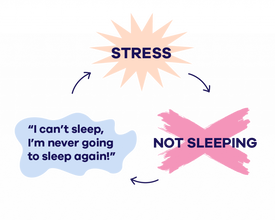
​Are you lying awake at night, tossing and turning, your mind swirling with distressing thoughts?  Do you go to sleep at night, only to wake up at 3 am, unable to fall back to sleep?  Did your doctor prescribe an anti-anxiety medication like a Benzodiazepine, or a sleep medication, either prescription or OTC, and you find it becoming less effective and needing to take more?  Do you dread going to bed at night, expecting another restless night?  You may be suffering from chronic insomnia.
Unlike the occasional sleeplessness that an affect “normal sleepers,” chronic insomnia is a learned condition.  The good news is, with training and practice, it can be unlearned.
Say what?!  Yep, for people with chronic insomnia, a combination of thoughts and behaviors train the brain to have difficulty falling asleep and staying asleep.  For example, the thought that losing a night’s sleep will result in poor performance the following day can keep a person tossing and turning all night.  In fact, for people with chronic insomnia (unlike “normal sleepers), the result of a sleepless night is more likely to be a cranky mood, rather than a loss of concentration or poor performance.  Our thoughts are powerful influencers of our ability to sleep at night.
So, how did this happen?  There are a number of ways these habits develop.  Maybe there was an upsetting event in your life, or an illness, or a house move, or job stress, that resulted in disrupted sleep for a while.  This may have caused a pattern of thinking that led to panic about being unable to fall asleep at night, or a change in behaviors like sleeping late to make up for missing sleep at night.  There are many factors that can cause our sleep patterns to malfunction.
So, why not just take a pill if you’re having trouble sleeping?  Why all the fuss?  Well, sleeping pills are not an effective long-term solution.  They have negative side effects, eg, the body gradually develops tolerance – meaning you need to take more and more for them to be effective, and they were never approved by the FDA for regular or long-term use.  In fact, most research shows that they really don’t improve sleep by more than a few minutes; they just cause you to not remember being awake at night.  In addition, sleep meds don’t ever solve the actual problem that is causing your sleep difficulties in the first place.
So, what are you supposed to do?  What IS the solution?  Glad you asked.  You can learn new thoughts and habits that promote sleep.  They’re easy to learn and in six weeks or so, most people will find a significant improvement in their sleep.  For example, learning to avoid behaviors that cue your brain to associate your bed with wakefulness and anxiety, and substituting new behaviors that cue your brain to associate your bed with rest and sleep.
Cognitive Behavioral Therapy for treatment of chronic insomnia (CBT-I) is effective for a majority of people with chronic insomnia.  And one of the most exciting aspects of learning this treatment is that it’s all in your hands.  This means that the success you gain is completely your own, and will work for you consistently, without negative side effects, and will not lose effectiveness over time.  In six sessions, CBT-I for treatment of chronic insomnia can help you develop the skills necessary to overcome poor sleep habits and possibly even “cure” your insomnia.  Please call to set up a consultation with Lina Lewis-Arevalo.
 You can check out availability here.

13 Comments

    Mindful and Multicultural Counseling Clinical Team

    Therapists and psychologists committed to improving well being and mindful living.

    Archives

    April 2026
    March 2026
    February 2026
    September 2024
    August 2023
    March 2023
    October 2022
    September 2022
    June 2021
    March 2021
    January 2021
    December 2020
    November 2020
    October 2020
    September 2020
    August 2020
    July 2020
    June 2020
    May 2020
    April 2020
    March 2020
    February 2020
    January 2020
    December 2019
    October 2019

    Categories

    All
    Addiction
    Adhd
    Anxiety
    Assessment Bias
    Back To School
    Body-based Therapy Techniques
    Bravery
    Community Building
    Coronavirus
    Counseling
    Depression
    Eating Disorder
    Embodied Leadership
    Enneagram
    Fear
    Grounding Exercises For Anxiety
    Justice
    Meditation
    Mental Health
    Mindfulness
    Nervous System
    Nervous System Regulation
    Neuordivergence
    Neurodiversity
    Polyvagal Theory
    Radical Acceptance
    Somatic Exercises For Trauma
    Somatic Practices
    Tapping
    Teenagers
    Therapy
    Transitions
    Trauma-informed Therapy
    Yoga

    RSS Feed

May you sprinkle kindness where you go.   May you recognize how amazing you already are. 
Mindful and Multicultural Counseling   (609) 403-6359
20 Scotch Road, Suite E Ewing, NJ 08628
Proudly powered by Weebly
  • Home
  • Meet Our Staff
    • Insurance and Fees
    • Approaches to Treatment
  • Book an Appointment
  • Specialties
    • Depression and Anxiety
    • Trauma
    • Healthy Habits
    • Addiction and Substance Use
    • DBT
    • Pregnancy and Postpartum
  • Events
  • Mindful Living Blog
  • Mindfulness and Yoga
  • Consultation with Dr. Edmond
  • Join our Team